Why Choose Leo & Aliyah?
Savor Life!
Thank your for your patronage.
$240.00
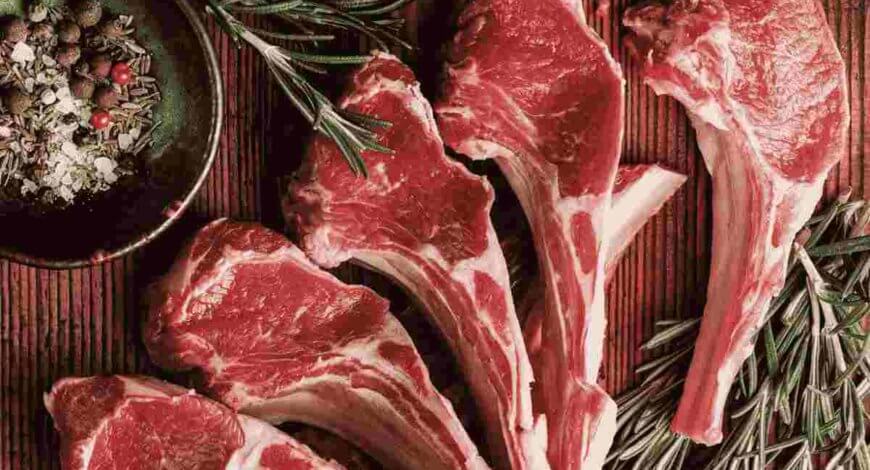
Explore the versatility and rich flavor of goat meat, a staple in many cultures. Often underestimated, goat meat is a healthier alternative to beef or lamb, boasting higher nutritional value than chicken. Moreover, due to goats not storing fat in their muscles like cattle, the meat is naturally low in fat and cholesterol. (Click on the nutritional tab below for more details.)
Our Cabrito averages 30 pounds of live weight, delivering approximately 6 pounds of exquisite goat meat in a variety of cuts ideal for your culinary creations.
Nurtured on the verdant pastures and wild terrains of Bushnell, Florida, our goats thrive on a 100% browse-fed diet, free from any hormones and antibiotics. This contributes to the exceptional quality and flavor of the meat and reflects our commitment to sustainable and ethical farming practices.
Discover the superior quality and taste of meat from Leo & Aliyah goat and understand why we are the preferred choice for discerning customers.
Savor Life!
Thank your for your patronage.
In the world of culinary terminology, the Cabrito, or Capretto as it is also known, is a tender suckling goat nourished solely on its mother’s milk. Here at Leo and Aliyah Farms, we refuse to confine ourselves to such strictness, as we firmly believe that separating a suckling goat from its mother before it has tasted anything other than her milk is an injustice to the mother who, when she cannot find the suckling, will tirelessly seek it out, guided by pure instinct to ensure its survival.
Our cabrito matures to a weight of around 30 pounds, during which time the suckling goat wanders freely browsing on natural vegetation but primarily nourished from mother’s milk. This results in a meat with delicate flavors, a subtle earthiness, and a sweetness that lingers on the palate. Our approach to raising cabrito may be unconventional, but we believe it produces a superior product that is not only delicious and nutritious but also ethically and sustainably sourced.
At Leo and Aliyah Farms, we take pride in our commitment to providing our customers with the highest quality, ethically raised cabrito. We believe that by respecting the natural instincts and needs of the animals we raise, we can create a product that is truly exceptional in taste and quality. So if you are looking for a unique and delicious culinary experience, try our cabrito and taste the difference that ethical and sustainable farming practices can make.
The flavor profile of goat meat presents a captivating blend of complexities, influenced by factors such as the animal’s age and diet.
Dietary Influence on Flavor
At Leo and Aliyah Farms, our goats roam freely and browse on natural vegetation, resulting in a meat of exceptional flavors and a delightful earthy sweetness. Conversely, goats raised on feedlots or fed manufactured diets tend to exude an unmistakably gamey aroma.
Age and Tenderness
The age of the goat plays a crucial role in determining its texture. Two distinct texture profiles include chevon and capretto, the latter of which is also known as cabrito.
Cabrito, derived from suckling goats, features a naturally tender texture that allows for rapid cooking at elevated temperatures. This premium option comes from goats loosely defined as younger than a year and it is celebrated for its tenderness, making it ideal for cooking methods where heat control is challenging, such as grilling over an open fire.
Chevon goats, sourced from goats over a year of age, is leaner and thrives under slow cooking methods to unlock succulent stews and dishes that are rich in nutrients and flavor.
Whether capretto or chevon and whether stewed, roasted, grilled, or braised, goat is a versatile meat that can elevate any dish with its unique flavor and texture profiles. Distinguishing between chevon and capretto will assist you in selecting the correct cooking time, techniques, and ingredients to ensure your goat dishes are always succulent, tender, and full of flavor.
Embark on your culinary adventure in honing and mastering with these recommendations on cooking techniques, ingredients, and timing.
Cooking Techniques
Cooking Ingredients
Cooking Time
Goat meat requires slow cooking to preserve its tenderness and flavor. Because of its low fat content, it can easily become dry when exposed to high heat, so it is crucial to reduce the temperature and cook it gradually for a juicy and tender result. Moreover, goat meat cooks quicker than beef or chicken, so it is essential to monitor the cooking time and adjust the heat as needed.
Cooking Methods
| Main Cuts From | Cooking Method |
| Neck
Shoulder |
Roasting Braising Stewing |
| Rib
Loin |
Grilling Pan-frying |
| Leg | Searing Roasting Steaks: grilling, panfrying |
| Hindshank
Foreshank |
Roasting Braising Stewing |
| Flank
Breast |
Roasting Grilling |
| Breast | Roasting Grilling |
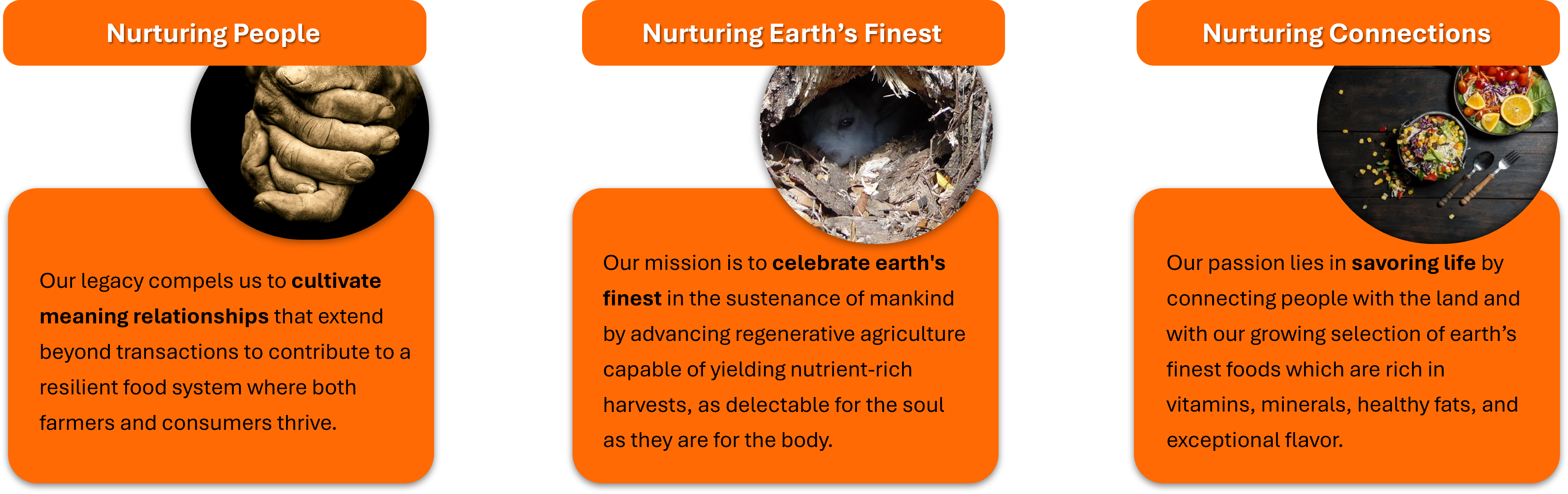
At Leo and Aliyah, our family practices regenerative agriculture, which in part translates into meat from a creature living on a land managed by a system of farming principles and practices that promote nature’s influence of reparation, conservation, and regeneration. To support biodiversity of soils, of vegetation, and of creatures and to enhance the water cycle and all known and unknown ecosystem services, we staunchly exclude the use of herbicides, pesticides, and chemical fertilizers!
Our practice also translates into meat from a creature that, in accordance to this natural system of agriculture, grew as nature intends – foraging, growing, and thriving within a sustainable ecology and without the use of hormones, antibiotics, or manufactured feeds.
Regenerative agriculture in the stewardship of goats includes woodland or wild, typically unmanaged areas, essential for the production of delectable and nutritious goat fare.
Goats are ruminant mammals with a distinct preference for browsing. Browse material are high-growing vegetation, which include goat-favored portions of leaves, twigs, vines, weeds, and shrubs. This type of vegetation generally has high levels of cell contents, lignin, secondary compounds, and nitrogen, making browse sturdier plants, which require a longer period of fermentation in the ruminant chambers of the goat, as compared to grasses.
While goats will eat grasses, their high degree of preference for browse suggests that there is a taste value involved, but more importantly a nutritional value as well. In fact, so grand is the goat’s desire for browse that it will leave behind a field of virile grasses to investigate the stouter foods in the woodland just beyond it.
Segments of our land therefore include completely unmanaged vegetative areas left to revel in nature’s chaotic order and become rife with prime goat fare. Goats spend most of their day in these areas, browsing and manuring and creating an environment that becomes an ideal place for our chickens to scratch in search of their delectable fare.
Goat meat is a good source of the following vitamins and minerals –
Vitamins And Related Benefits
Minerals And Related Benefits
To learn more, go to the Food Data Central at the U.S. Department of Agriculture.
You have two convenient options for order fulfillment, one of which you may select during checkout:
(1) Pickup at The Farms Market and
Note: We are actively exploring options for shipping our Leo & Aliyah foods. You are invited to subscribe to our newsletter, Savor Life!, to get the latest information.